
Waiting in the Now
A Practice for Advent and Beyond

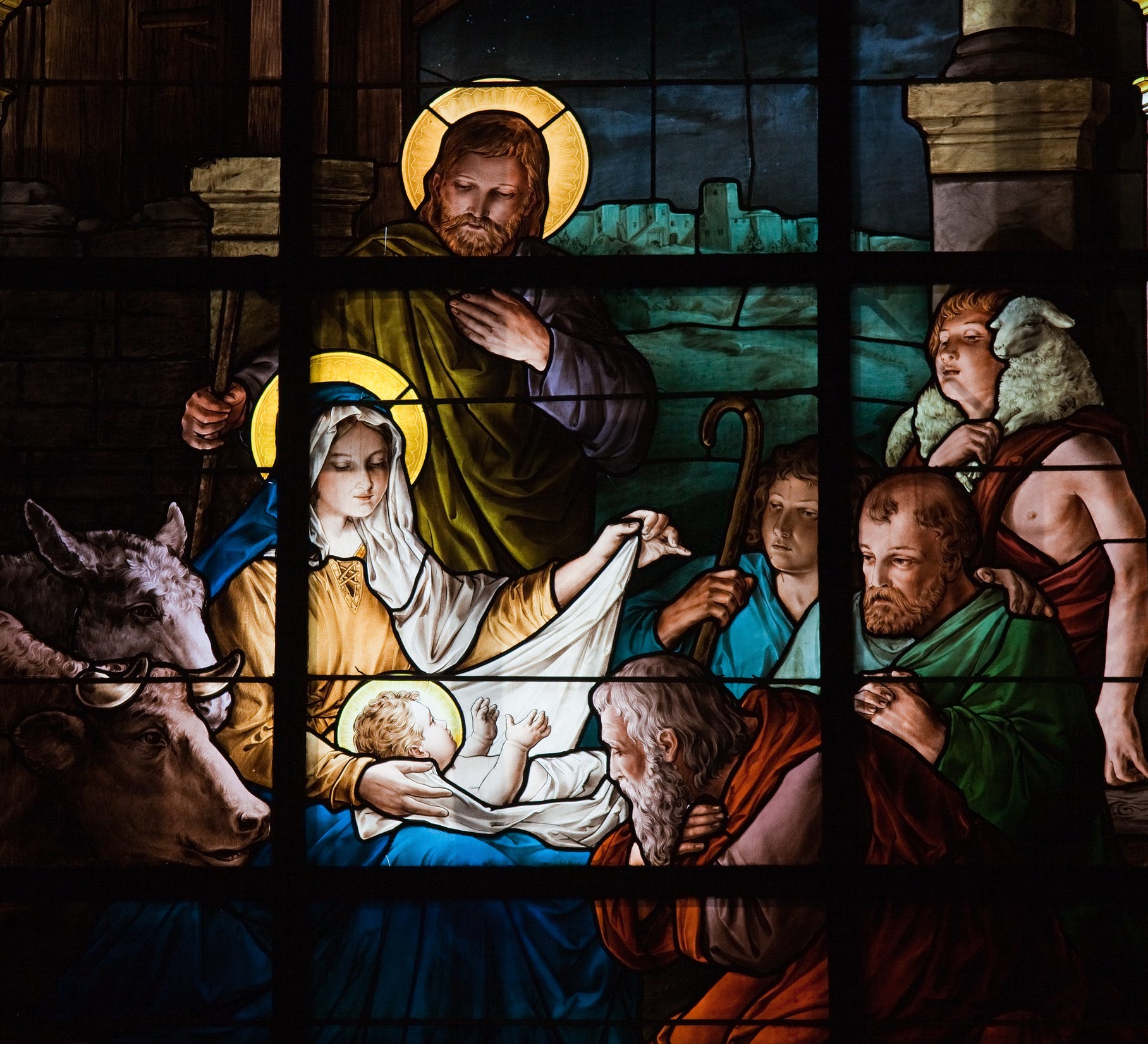
It is Christmas Eve 2025. Throughout Advent, I’ve been practicing Ango with my Sangha. Ango is an intentional period of intensified contemplative practice, focusing on meditation, study, and work. For the study portion of our practice, we have been reading a book by Thich Nhat Hanh called Inside the Now. It is the last book he wrote before his stroke, and it offers deep meditations on the nature of time. We had short daily readings assigned, and our group met weekly to discuss what we had read.
In our study session last week, a member explicitly asked me to address the potential mismatch between living in the now and the waiting that Advent asks us to do. This reflection summarizes my thoughts engendered by this request.
The Missed Opportunity of Comfortable Waiting
Comfortable waiting begins with good intention. “I will practice the tidy path that my religion prescribes in order to arrive in a new place.” But many of us really don’t behave as if we expect anything to happen or change. Our waiting adds an item to our to-do list, and life beyond it goes on in our familiar routines. Our tidy religious path may be beautiful and it may provide comfort, but it doesn’t offer the energy that provokes change. This is worth a deeper look.
Losing the Mystical Core
Brother David Steindl-Rast offers a keen reflection on how all organized religion begins with a mystical experience.1 As long as that experience is kept alive, the transformative power of the religion is available. When that mystical core is obscured or forgotten, we move from being challenged to being merely comforted, and we are at risk for becoming dogmatic, legalistic, and ritualistic. How does this happen, and what can we do about it?
The Founder’s Fire
Brother David compares the life of the person who (sometimes unintentionally) founds a religion to a volcanic eruption. Their encounter with the world and its culture is explosive, full of light, energy, and heat. A rupture of the existing order occurs, and something beautiful, new, and strange is born.

The Teachings Flow
Imbued with energy, the life and teachings of the founder pour out into the world, catalyzing change and transformation in those who encounter and engage with them. This is like hot magma flowing after an eruption. It is no longer spewing forth, but it is running in rivers and streams into previously safe places, changing the ground that it touches.

Solid Rock
Over time, the life and teachings of the founder cool into something more manageable: dogmas, precepts, and rituals. These can prove to be reliable guides under the right conditions, yet very often they lose their life force and become dogmatism, legalism, and ritualism. This is akin to magma hardening into rock and cooling. At some point, what remains is no longer full of life and energy. It is a cold and lifeless ground. We can stand on it, but we won’t be changed by doing so.

The Cocoon of Shyness and Aggression
Tibetan Buddhist Master Chogyam Trungpa describes the unawakened state as living in a “cocoon of shyness and aggression.” This unlikely pairing of words describes the life that we inhabit when we are living without the mystical core that gives meaning and purpose to our lives. We weave a small space from the dogmatism, legalism, and ritualism that we obtain from whatever systems we adopt. For some of us it is organized religion. For others it is a political ideology. In the USA, it is increasingly both in the toxic mix of Christian Nationalism that is energetic but destructive.
If we pay attention, we observe that while this cocoon feels pretty safe, it is also claustrophobic and has the smell of stale sweat. We are living within a self-constructed box that contains our stress and anxiety. We are in a prison of our own making.

Regaining the Mystical Core
Spiritual Practice
Our hope is found in practices of the heart. These provide the ability for us to see through the hardened dogmatism, legalism, and ritualism of mere religion and to imbue our quest with light and heat. Contemplative practice and contemplative living are the foundation of these practices of the heart. We move beyond “going through the right motions” to arrive at engagement with our day-to-day lives in all of their struggles, pain, and joy.
In the Sayings of the Desert Fathers and Mothers the following story appears (emphasis is mine.)
Abba Lot went to see Abba Joseph and said to him, ‘Abba, as far as I can, I say my little office, I fast a little, I pray and contemplate, I live in peace and as far as I can, I purify my thoughts. What else can I do?’ Then the old man stood up and stretched his hands towards heaven. His fingers became like ten lamps of fire and he said to him, ‘If you will, you can become all flame.’
This is our call. Practicing tidy to-do list religion won’t bring us alive. Engaging the world with curiosity, awe, and mindfulness will.
In the foreword to Living Buddha, Living Christ, Brother David recounts a tale of St. Francis of Assisi. Coming upon an almond tree in mid-winter, he implores, “Speak to me of God!” and the tree bursts into blossom. It comes alive. Brother David notes that full aliveness is the hallmark of a life lived in the fire of the Spirit, and closes the foreword with his own urgent imploring: start blooming, frozen Christian!
Walking the Wild Path
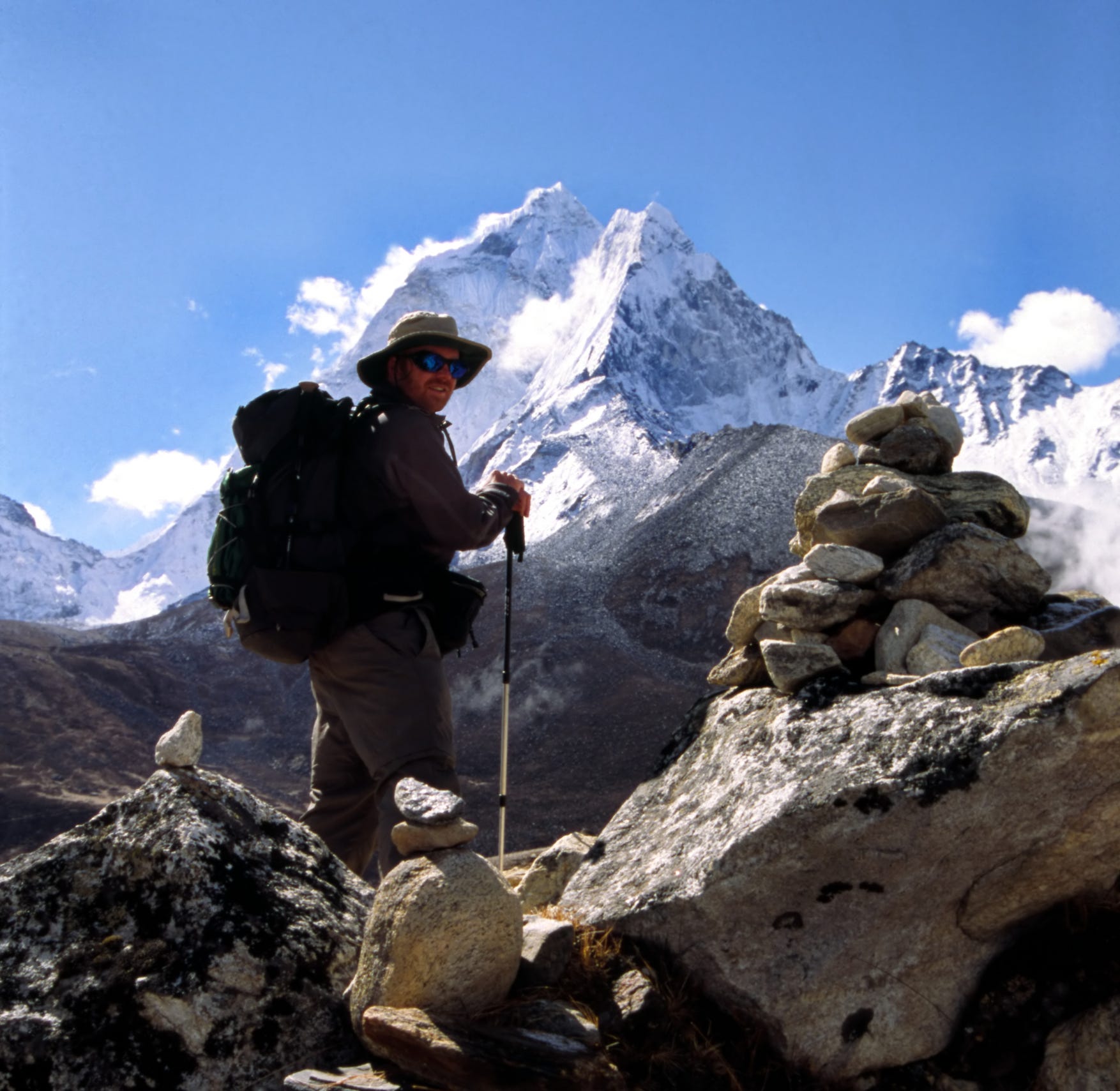
When we enter the path of contemplative engagement with all aspects of our life, we enter uncharted territory. In becoming fully alive, we become fully ourselves, and this means we are uniquely situated in the world. We leave the safe and tidy paths that provided solace without challenge and enter the wilderness of our lives, trekking uncharted paths with courage and joy.
Waiting in the Now
This process of revivifying our lives through engaged, fiery spiritual practice has much to do with the waiting to which we are called in Advent and beyond. The key is to understand the type of waiting Advent invites us to practice.
Passive Waiting
One type of waiting is what I call passive waiting. This is what we do when we are waiting on a bus. We are present in a place, but the reality of using the bus to get somewhere is fully unrealized until the bus arrives. All we can do is stand there, occasionally checking our watch, and hope the bus gets here soon.

Active Waiting
The other type of waiting is what I call active waiting, and this is the waiting we are called into in Advent.
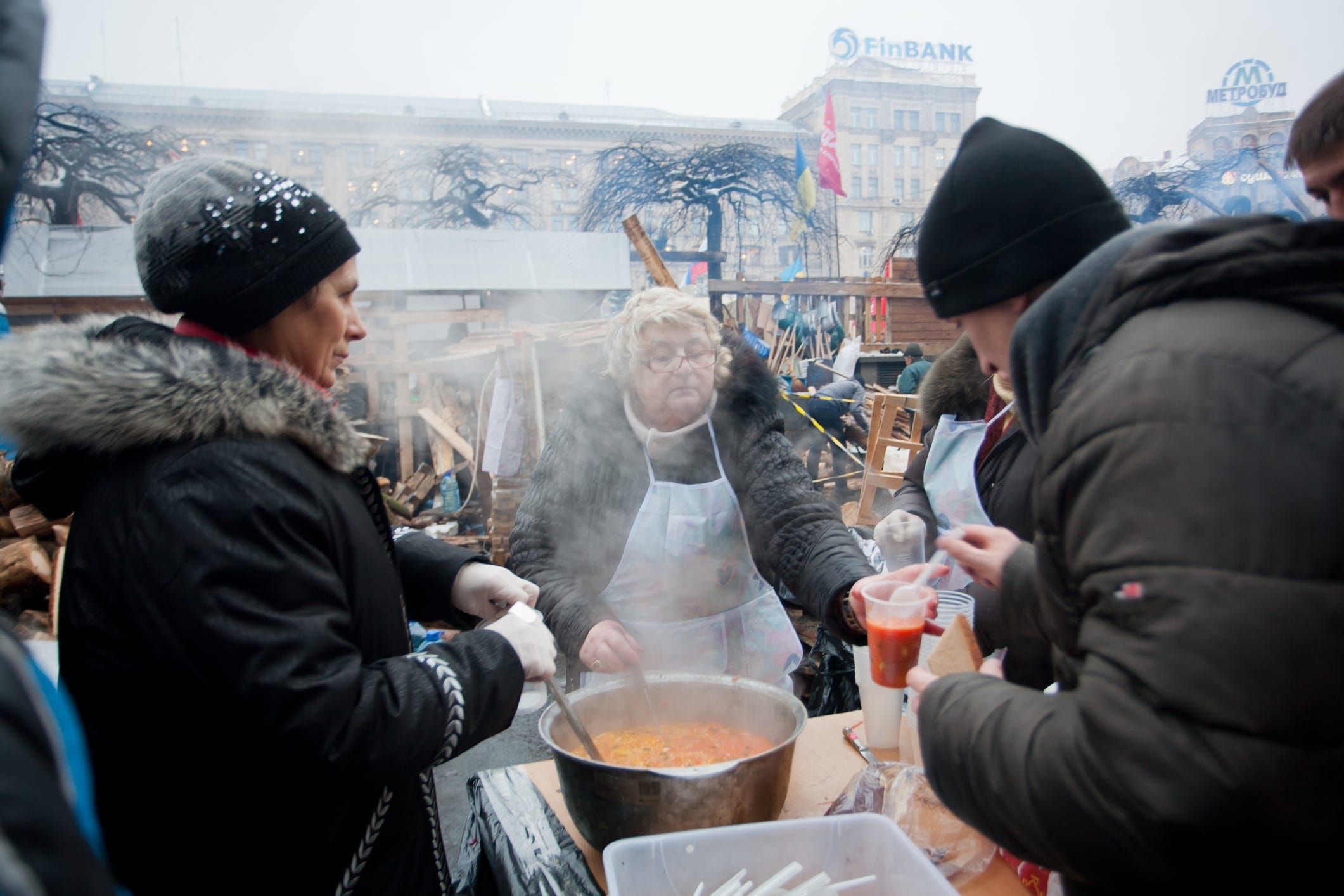
Consider people working for peace in a war-torn country. They are indeed waiting for a new mode of being that has not yet arrived, but by doing their work skillfully, they are also participating in the creation of the peace to come. In a state of active waiting, the event or state we are seeking is already present.
Practice in Advent and Beyond
We become intentional and intensify our waiting practice during Advent, but it is not limited to this liturgical season. The Church claims that we are waiting for the return of Christ. But active waiting asks us to participate in this longed-for return.
We aspire to see Christ in others, seeking and serving Christ in all creation. At the same time, we work to model Christ for others, embodying and expressing Christ’s love to everyone we encounter.
This two-fold action allows us to participate in a new creation. We discover that the return of Him for whom we are waiting is found in every moment of the Now.
If you are interested in exploring contemplative practice as a path to full aliveness, I invite you to join us at Living Christ Sangha. We meet on Sunday afternoons from 3:00-4:30 PM ET. Every Sunday we are on Zoom, and on the 2nd Sunday of each month we also have a group meeting in-person at St. Bartholomew’s Episcopal Church in NYC. Please enter at 109 East 50th street. We hope you will join us! Our schedule is always available on the website above.
https://grateful.org/resource/dsr-mystical-core-religion/